

About the programme
A WORD FROM THE PROGRAM COMMITTEE CHAIRS
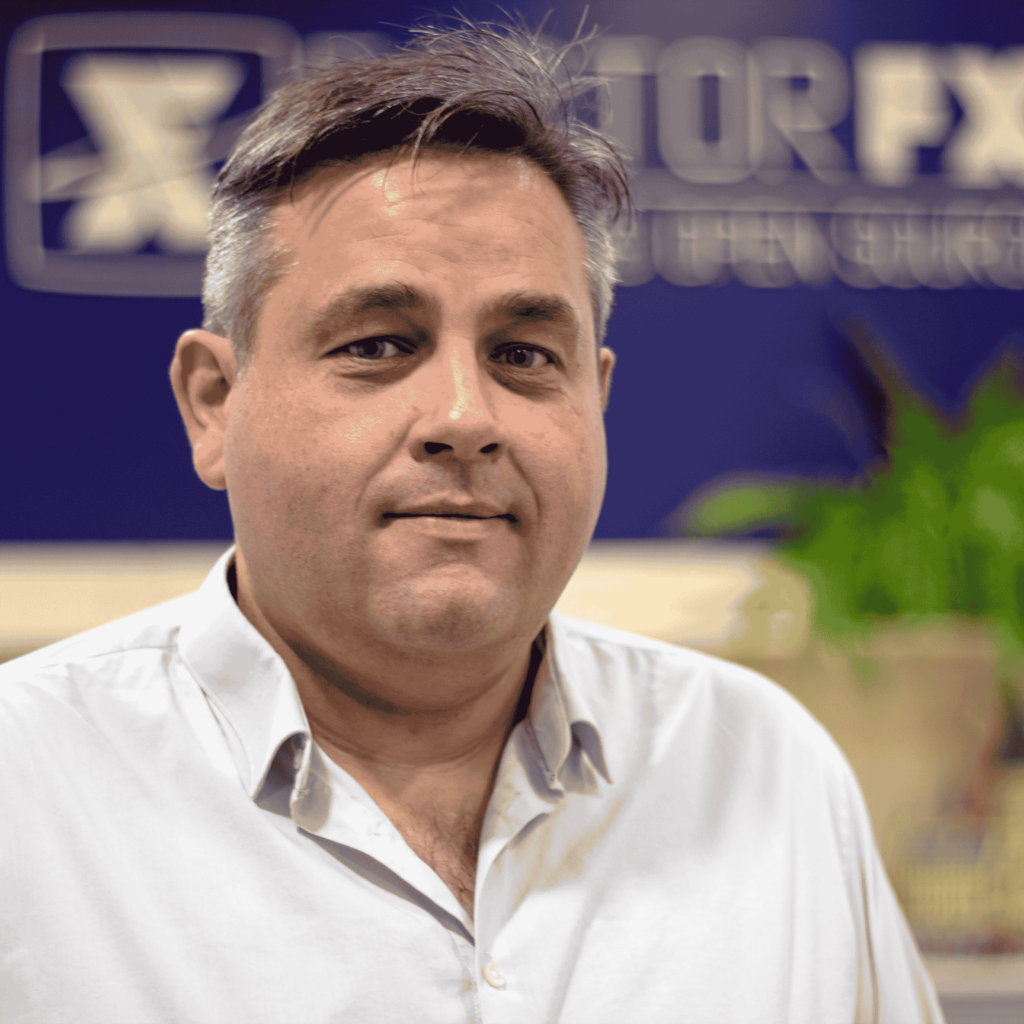
François-Xavier Guidet – CTO & Co-founder – FactorFX
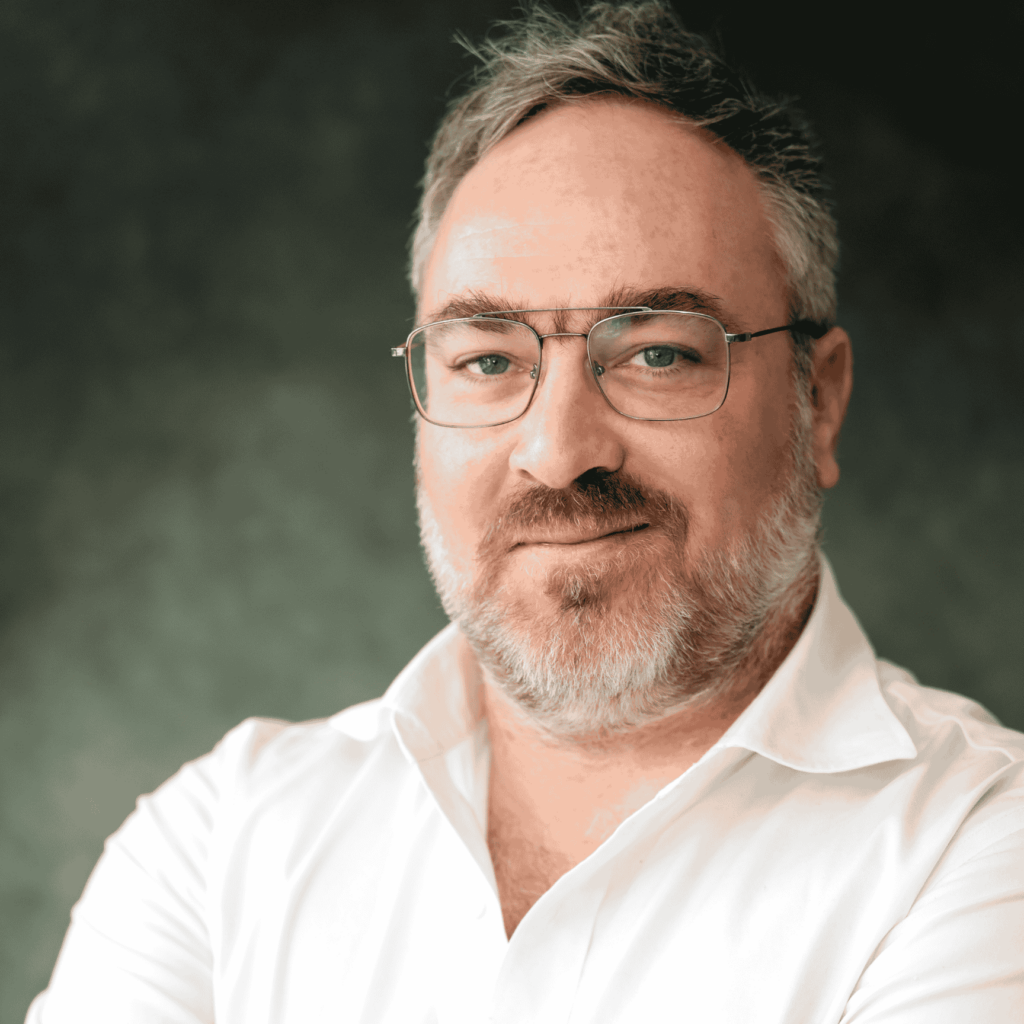
Yannick Seiller – CEO – FactorFX
“Open source is no longer an option”
It powers the Internet, clouds, critical infrastructures, AI models—often without even being explicitly acknowledged. Open source no longer needs to be defended; it has already won! The real question lies elsewhere: will we embrace it as the backbone of an industrial and sovereign digital ecosystem, or continue to treat it as a mere commodity? The context leaves little room for ambiguity.
European regulation (CRA, NIS2, AI Act) imposes transparency, traceability, and control over dependencies. And the economy is brutally reminding us of the cost of inaction: arbitrary price increases, sudden license changes, forced migrations… Organizations that failed to anticipate are now paying for dependencies they accepted for too long.It is at this intersection that we position the Open Source Experience 2026 program, with a clear threefold approach: industrial, sovereign, and open source.
- Industrial: Offerings, SLAs, and providers that deliver on their promises in production over five to ten years.
- Sovereign: Regaining control over code, formats, and stacks. Sovereignty is built brick by brick, decision by decision.
- Open: Being part of an ecosystem, contributing, sharing roadmaps, and building sustainable digital commons.
Open Source Experience 2026 will be the place where decision-makers no longer come seeking promises, but answers to concrete questions: how much does it cost, how long does it take, who provides support, what risks are involved, what benefits are achieved, how to migrate without completely changing usage? This is nothing new for those who have followed the event over the years. The testimonials filling the rooms all tell, at their core, the same story: regaining control. Leaving VMware, building alternatives to M365, deploying trusted AI on open-source building blocks… Demand is not slowing down—it is accelerating.
But let’s be honest: not everything is solved. If demand remains highly concentrated among a few major American players, it is not only due to inertia, but also because the open-source offering is still fragmented and sometimes difficult to understand. Multiplying projects without clarifying who does what, who takes responsibility, and who guarantees what level of service puts CIOs and buyers in a difficult position.One of the challenges of Open Source Experience 2026 will therefore be to make this offering more readable: showcasing complete value chains (software, integration, support, managed services), alliances, consortia, and companies that together can deliver credible and sustainable alternatives.
And beyond technology, there are people. You cannot build an open digital ecosystem without trained teams, active communities, and companies that nurture open-source talent. Without talent, no sovereignty. Without sovereignty, no industry. This year’s program dedicates a full section to this: culture, skills, roles, project governance, and business models.
Open Source Experience 2026 will not be just another event about digital promises: it will be a place where a CIO can come with constraints, a buyer with procedures, an elected official with objectives—and leave with concrete leads, contacts, and feedback. And with the conviction that migrating to open source does not mean replicating exactly what you are leaving behind; it means adapting your practices, processes, and sometimes your mindset. That is often where success is determined.
This year, we are putting our experience as integrators, publishers, and entrepreneurs at the service of an event that bridges vision and real-world implementation, to demonstrate together that open source is no longer an option!
April 15, 2026